
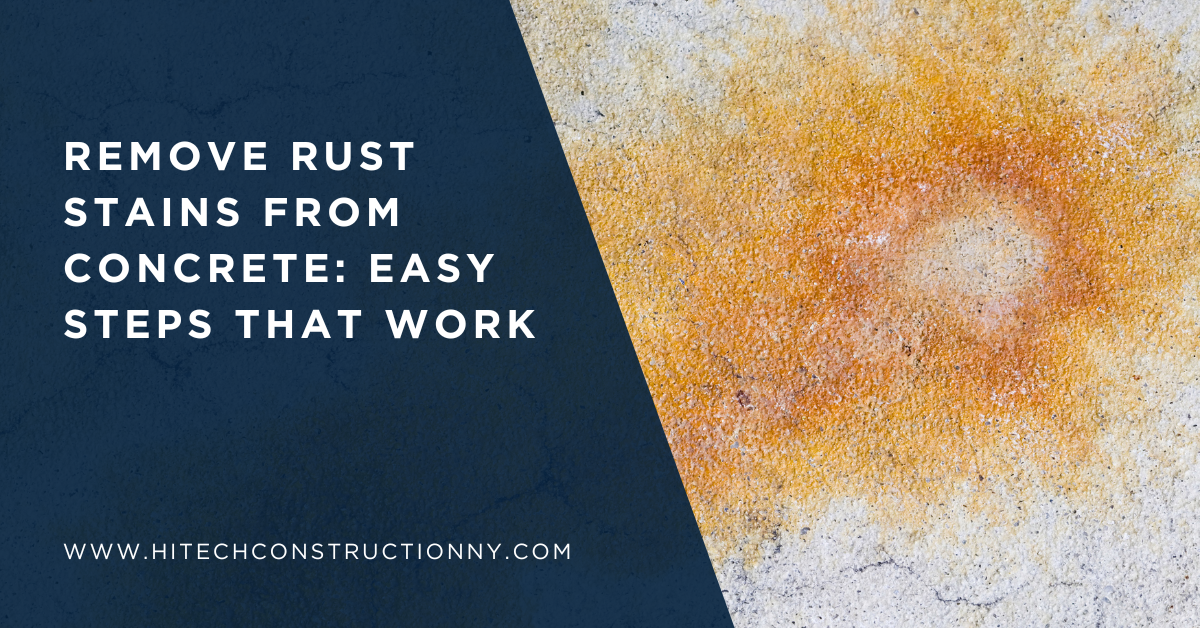
Rust stains on concrete are one of those problems that seem small at first – but once you notice them, you can’t unsee them. Whether it’s orange streaks on a New York garage floor, stubborn stains on a concrete patio, or discolouration around metal fixtures, rust can make even well-maintained concrete look neglected.
The good news? You can remove rust stains from concrete effectively – often without replacing the surface or calling for major repairs. This guide explains why rust forms, how to remove it safely, and when it’s time to bring in a professional. The advice here is practical, evidence-based, and tailored to real-world conditions, including the freeze thaw cycles and moisture challenges common in New York.
Why Rust Stains Appear on Concrete?
Before learning how to remove rust stains from concrete, it helps to understand why they show up in the first place.
Concrete is porous by nature. When metal objects sit on it, such as patio furniture, tools, rebar, planters, or even cars, moisture and oxygen can trigger oxidation. As metal corrodes, rust particles migrate into the pores of the concrete, leaving behind those familiar reddish-brown stains.
Common causes include:
- Metal furniture or grills on a concrete patio
- Vehicles are leaking iron-rich water on the garage floor
- Sprinkler systems using iron-heavy water
- Exposed rebar or metal fasteners in a concrete slab
- Pressure washing without proper drainage
According to water quality data from the U.S. Geological Survey, iron is one of the most common naturally occurring elements in groundwater, especially in older urban infrastructure. This helps explain why rust staining is widespread in residential and commercial concrete surfaces across the Northeast.
Types of Rust Stains You Might See
Not all rust stains behave the same, and identifying the type can guide the best removal method.
- Surface rust stains: Light stains caused by temporary metal contact
- Deep-set rust stains: Older stains that have penetrated the concrete slab
- Rebar-related staining: Rust bleeding through from within reinforced concrete
- Waterborne iron stains: From sprinklers or runoff with high iron content
Surface stains are typically easier to remove, while deeper stains may require stronger treatments or professional-grade solutions.
How to Remove Rust Stains from Concrete: Step-by-Step Methods
1. Start with Simple Cleaning Methods
If the stain is fresh or light, begin with the least aggressive approach.
What you’ll need:
- Stiff-bristle nylon brush
- Warm water
- Mild detergent
Scrub the area thoroughly and rinse. This method works best for surface-level rust and helps prepare the concrete for stronger treatments if needed.
2. Use Household Acids (Vinegar or Lemon Juice)
Mild acids can dissolve iron oxide effectively.
Steps:
- Pour white vinegar or lemon juice directly on the stain.
- Let it sit for 10–15 minutes.
- Scrub with a stiff brush
- Rinse thoroughly
This approach is often effective for how to remove rust stains from concrete patio surfaces, especially decorative or stamped concrete, where harsh chemicals are not recommended.
3. Apply a Commercial Concrete Rust Remover
When household solutions fall short, the best concrete rust remover designed specifically for masonry surfaces is often the safest and most reliable option.
Look for products labelled:
- Non-toxic or biodegradable
- Safe for sealed and unsealed concrete
- Designed for iron oxide stains
These products use controlled acidic reactions to lift rust without damaging the concrete structure. Always follow manufacturer instructions and test on a small area first.
4. How to Remove Rust Stains from Concrete with a Pressure Washer
Pressure washing can help – but only when used correctly.
Best practices:
- Use moderate pressure (2,000–3,000 PSI)
- Combine with a rust-removal cleaner.
- Avoid focusing pressure on cracks or joints.
Pressure washing alone rarely removes deep rust, but it’s effective for rinsing away loosened stains after chemical treatment. This method is popular for removing rust stains from concrete garage floor surfaces that are also contaminated with oil and grime.
5. Baking Soda Paste for Mild Stains
Baking soda works as a gentle abrasive.
How to use:
- Mix baking soda with water to form a paste
- Apply the stain and let it sit for 30 minutes.
- Scrub and rinse
While not the strongest solution, it’s safe and useful for delicate or sealed concrete.
How to Remove Rust Stains from a Concrete Slab?
Concrete slabs, such as driveways, sidewalks, and basement floors, are prone to deeper rust stains because prolonged exposure to moisture allows rust to penetrate further into the surface. When cleaning these slabs, avoid using metal wire brushes, as they can leave behind steel residue that may worsen staining.
Instead, use commercial rust removers or professional-grade cleaners specifically designed for concrete, and make sure to rinse the area thoroughly to prevent any chemical residue from remaining.
If rust stains continue to reappear despite cleaning, it could indicate internal corrosion from rebar within the slab, which should be evaluated by a professional.
Safety Tips When Removing Rust from Concrete
Removing rust from concrete often requires acidic products, so it’s important to protect both yourself and the surface. Always wear gloves and eye protection to prevent skin or eye irritation, and never mix chemicals especially acids with bleach as this can create dangerous reactions.
After cleaning, neutralize any remaining acid with water to protect the concrete and ensure proper ventilation if you’re working indoors. For larger areas or repeated treatments, consulting a trusted concrete contractor New York residents rely on can help prevent costly damage and ensure the job is done safely.
Preventing Rust Stains from Coming Back
Once you remove rust stains from concrete, prevention is key.
Helpful strategies:
- Seal concrete surfaces every 2–3 years
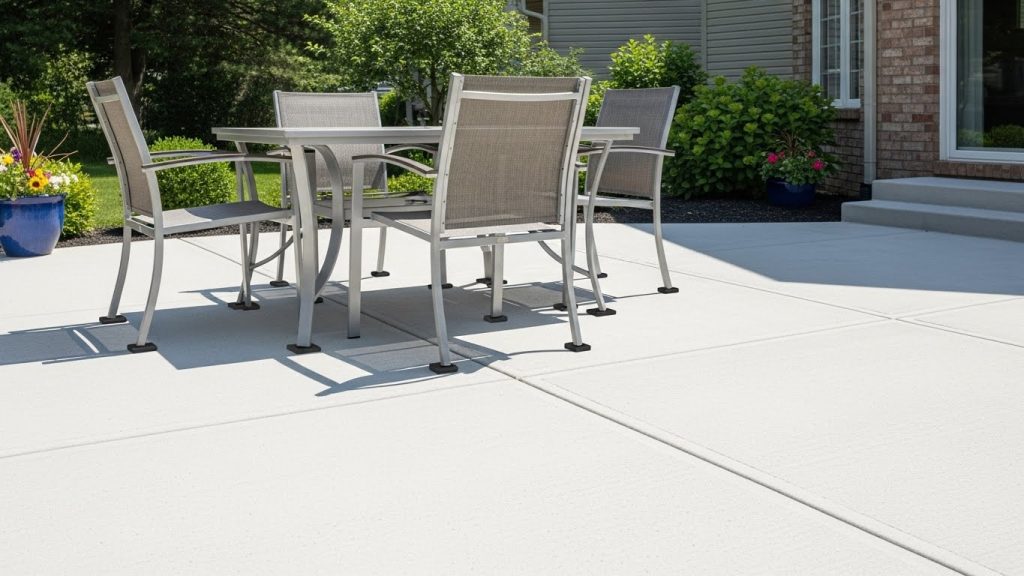
- Use rubber or plastic pads under metal furniture.
- Fix drainage issues around slabs and patios.
- Keep sprinklers from spraying directly onto concrete.
- Clean metal objects before placing them on concrete
Concrete sealers reduce porosity, making it harder for rust to penetrate in the future.
When to Call a Professional
DIY methods can effectively tackle minor rust stains, but professional help is often the better choice in certain situations. If rust stains are widespread or keep returning, if the concrete is cracked or spalling, or if there’s a possibility of rebar corrosion, calling in an expert is wise.
Additionally, if you’re already planning to remove paint from concrete or refinish the surface, professionals can combine treatments efficiently. They have access to industrial-grade cleaners, controlled pressure systems, and specialized surface restoration techniques that go beyond what DIY methods can safely achieve.
Final Thoughts: Restore Your Concrete with Confidence
Rust stains don’t mean your concrete is ruined. With the right approach, you can remove rust stains from concrete safely and restore the clean, durable look that concrete is known for whether it’s a garage floor, patio, or slab.
For New York homeowners and property managers, addressing rust early can prevent long-term damage and maintain curb appeal in a climate that’s tough on exterior surfaces.
Ready to Take the Next Step?
If rust stains keep coming back or you’re planning a full surface refresh, reach out to a trusted concrete contractor New York residents rely on. Professional evaluation can save time, protect your investment, and ensure your concrete looks its best for years to come.